Over the course of two months, nine women were found dead in Ekurhuleni, a municipality east of Johannesburg, their bodies discovered in fields, along roadsides, and in public spaces. Most were in their twenties and thirties. Many were partially clothed. Several showed signs of severe physical trauma. The discoveries, coming one after another between July and September 2026, have sent shockwaves through South Africa and reignited a fierce national conversation about gender-based violence in a country where femicide rates are five times the global average.
South African police recorded an average of 108 reported rapes every single day in early 2026. Between 2020 and 2021, an average of 5.5 women per 100,000 were killed by intimate partners — a figure that tells only part of the story, since many killings are never reported or connected. Police Commissioner Princess Eurika Mogane put it starkly: 'This is a war. It feels like individuals are being hunted.'
Of the nine victims, eight have been identified. They include Dineo Motapane, 38, a mother of two; Gracious Nkomo, 28; Elizabeth Moselakgomo, 38; and Itumeleng Kekana, 32, a local shopkeeper. They were ordinary women going about their lives. The fact that many went missing for days before their bodies were found raised painful questions about how visible the disappearances of Black women are to authorities.
Investigators are working to determine whether the killings are the work of a single perpetrator. Police have so far cautioned against drawing that conclusion, noting similarities in the cases while stating that multiple suspects or separate perpetrators remain possible. A reward of 400,000 rand — roughly $25,000 — has been offered for information leading to arrests.
Two female suspects were arrested in connection with one of the killings and appeared in Boksburg Magistrates Court. A third individual, a man, was detained and later released without charge. Police Minister Firoz Cachalia confirmed there was as yet 'no conclusive evidence' of a serial killer, while acknowledging the possibility had not been ruled out.
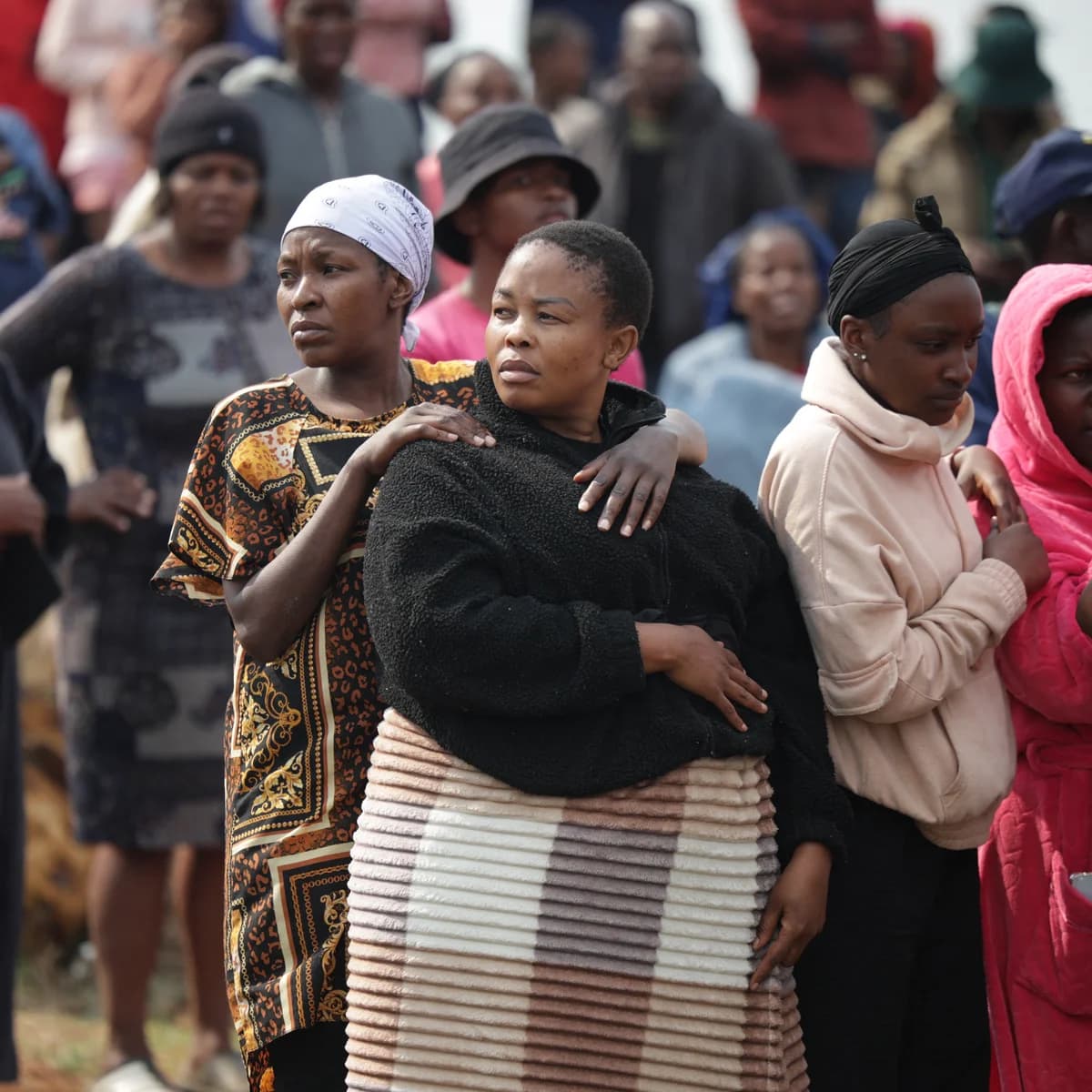
The response from the public has been visceral. Vigils, memorial runs, and moments of silence took place across South Africa over the weekend of September 20-21. In Johannesburg, Cape Town, Durban, and Pretoria, thousands of women — and men — gathered to mourn and to demand that the government act. Social media has been flooded with testimonials from women describing the daily reality of fear: avoided routes, changed routines, constant vigilance.
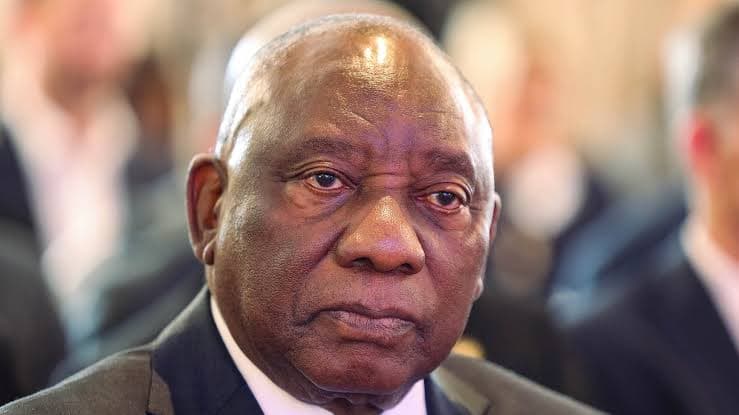
President Cyril Ramaphosa ordered that the investigation receive the highest level of government attention, while Minister of Women Sindisiwe Chikunga announced the formation of a specialised multidisciplinary investigation team elevated to the level of the Deputy National Commissioner of Detective Services. Chikunga urged communities in Ekurhuleni to check on female relatives and report anything suspicious.
Campaigners have welcomed the response but urged the government not to treat this as an isolated crisis requiring a short-term task force. South Africa declared a national emergency on gender-based violence in 2019 following an earlier wave of outrage. Seven years on, the figures have barely moved. Women's rights organisations argue that the emergency has never been matched with proportionate funding, staffing, or institutional accountability.
The names of the nine women killed deserve to be remembered not as statistics but as individual lives: women who had families, jobs, and futures. Their deaths are both a human tragedy and a policy failure — one that successive governments have acknowledged but not resolved.