
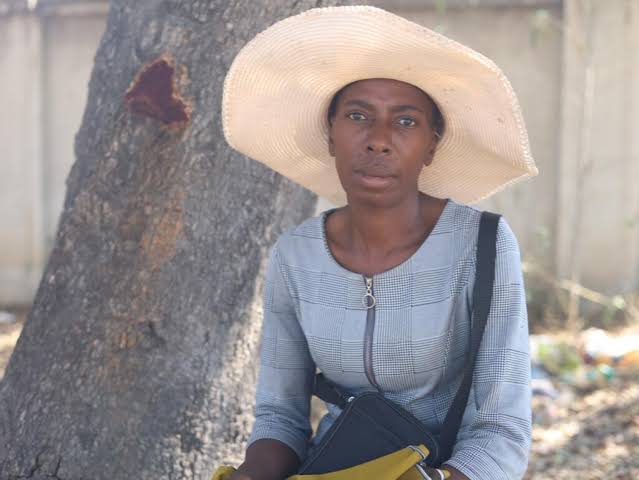
Women's rights advocates in Zimbabwe are pressing lawmakers to formally recognise unpaid care and domestic work as a critical part of national development, arguing that the chores that fall disproportionately on women — cooking, cleaning, fetching water, caring for children and the elderly — carry real economic weight that national policy has never accounted for. On August 20, lawmakers in the National Assembly, Zimbabwe's lower house of parliament, debated a motion on the issue, ultimately agreeing that government should develop a comprehensive policy on unpaid domestic labour, invest in infrastructure and social protection programmes to ease the workload, and commission a survey to calculate the economic value of such labour and its contribution to GDP. Sizalokuhle Ncube, a communications manager at the Women's Academy for Leadership and Political Excellence (WALPE), which has spent six years lobbying on the issue, says unpaid care work is not a private household matter but one with economic, social, and political consequences, limiting women's time, economic opportunities, and participation in public life and political leadership. The push builds on a proposed Unpaid Care and Domestic Work Bill drafted in 2024. WALPE executive director Sitabile Dewa has argued the bill would mark a historic shift, placing women's invisible labour at the centre of national policy for the first time. Zimbabwe is not alone in this effort: Kenya adopted a National Care Policy last year, while Rwanda revised its family law in 2024 to explicitly recognise unpaid care work as contributing to marital property, valuing it at 10 to 39 percent of jointly acquired assets — precedents Zimbabwean advocates cite directly in making their case.
POLITICS
Zimbabwean Women Push Parliament to Recognise 'Invisible' Domestic Labour
Women's rights advocates in Zimbabwe are pressing lawmakers to formally recognise unpaid care and domestic work as a critical part of national development, arguing that the chores that fall disproportionately on women
Tewa·September 21, 2026
RELATED STORIES
The African Union Takes Women, Peace and Security to the UN General Assembly — With New Tools and Renewed Urgency
Tewa · September 25, 2026
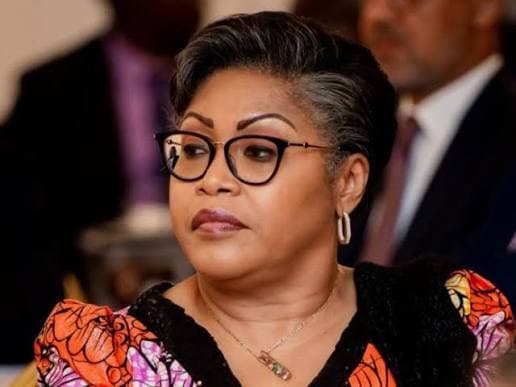
DR Congo's Judith Suminwa Marks Two Years as Africa's Newest Female Head of Government
Tewa · September 21, 2026
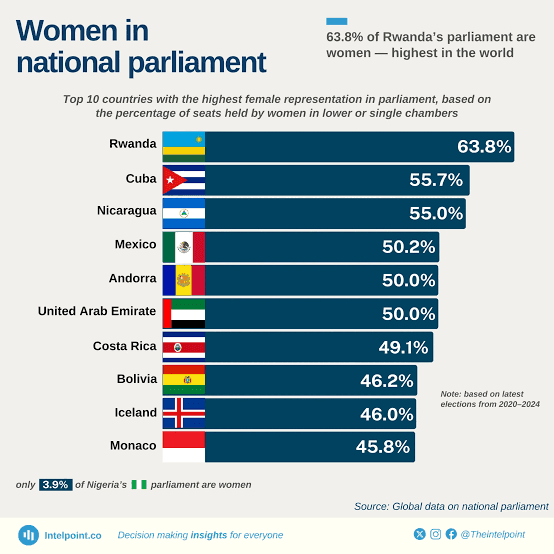
Rwanda Holds Onto Its Title as the World's Most Gender-Balanced Parliament
Tewa · September 21, 2026