
South African police have made their first arrests in connection with the killings of nine women in Ekurhuleni, even as investigators caution that the broader picture remains far from resolved. Two female suspects appeared in Boksburg Magistrates Court on Monday in connection with one of the nine deaths. Their case was postponed to October 1 for bail proceedings. A third individual, a man, was detained during the same operation but was subsequently released without charges being filed.
Police Minister Firoz Cachalia confirmed to media that as of this week, there was 'no conclusive evidence' that all nine killings were the work of a single serial killer. Investigators have identified similarities between some of the cases — including the ages of the victims, the state of the bodies, and the locations — but have stopped short of formally linking the murders. The possibility of multiple perpetrators, or even completely separate incidents, remains under active consideration.
The Ekurhuleni deaths occurred over approximately two months, with the ninth and final body discovered on September 17. Eight of the nine victims have been identified. They ranged in age from their mid-twenties to late thirties, and at least some were found in locations far from their homes, suggesting they may have been transported after death.
A reward of 400,000 rand, approximately $25,000, has been offered for information that leads to an arrest and conviction. Police have also deployed additional patrols in the areas where bodies were found and have urged community members to report missing persons promptly — a practice that women's advocacy groups say is unevenly applied when the missing are Black women from lower-income areas.
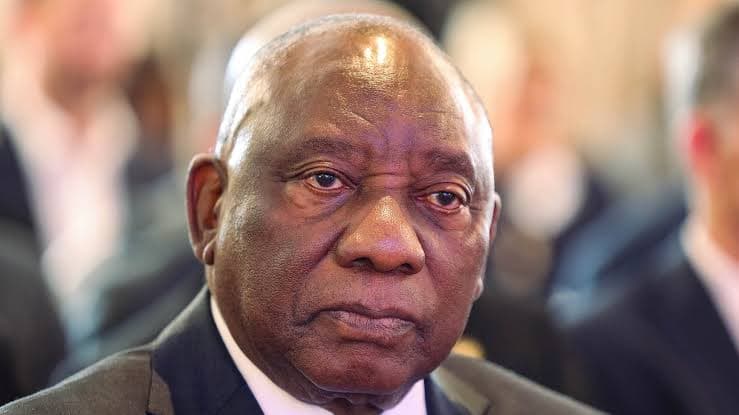
The investigation is now coordinated at the level of the Deputy National Commissioner of Detective Services, following President Ramaphosa's directive that it receive maximum government attention. A specialised multidisciplinary team, which may include forensic specialists, geographic profilers, and intelligence analysts, has been assembled.
The appearance of female suspects in connection with one of the killings has complicated the public narrative around the case. Commentary from criminologists has noted that while rare, women do feature in serious violent crimes, including as accessories or active participants, and cautioned against allowing the development to distract from the investigation's central task.
For the families of the victims, the pace of investigation is deeply personal. Several have spoken publicly about the days during which their loved ones were missing and unidentified — a reminder that behind the statistics and the political debates are individual lives whose loss has devastated specific families.